
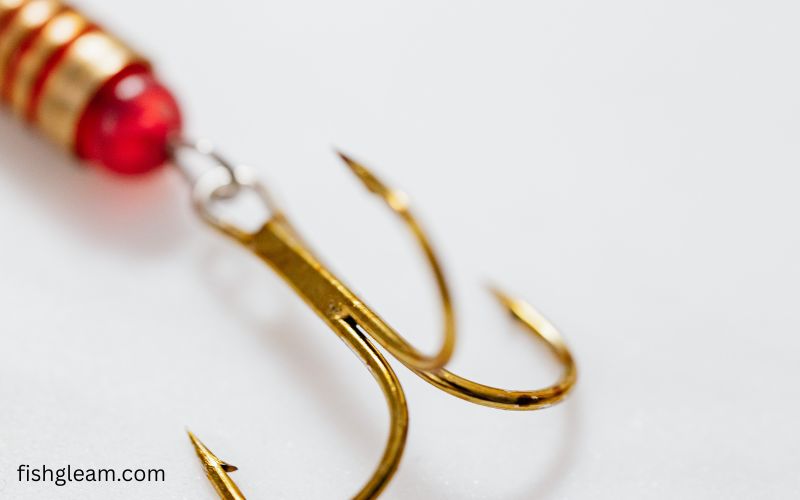
I have fished for many years in rivers, lakes, and offshore waters. One lesson I learned during my fishing journey is that choosing the right hook size makes you a successful angler. If you fish with the wrong hook, you miss bites, fish escape, and frustration increases.
When fish do not land, you feel discouraged, and fishing starts to feel boring. In this guide, I explain how to choose a hook size chart and share real fishing experience tips so you can catch more fish.
What Is a Fishing Hook Size Chart?
A fishing hook size chart is a reference tool that shows which hook size works best for specific fish, bait, and fishing conditions. Hook sizes are not always intuitive. Small numbers sometimes indicate bigger hooks, and bigger numbers sometimes indicate smaller hooks. For beginners, this can feel confusing, but once you understand the chart, selecting hooks becomes easy.
A hook size chart helps you match the hook with fish species, bait size, and conditions. From freshwater fish to large saltwater species like tuna, swordfish, and marlin, choosing the right hook size is very important.
Hook Size Chart Table
This is a practical hook size chart that I often use.
| Hook Size | Recommended Use | Example Fish |
| 12–8 | Very small hooks | Bluegill, Crappie, Minnows |
| 6–4 | Small hooks | Trout, Perch, Small Bass |
| 2–1 | Medium hooks | Bass, Walleye, Catfish |
| 1/0–3/0 | Large hooks | Pike, Salmon, Medium Saltwater Fish |
| 4/0–6/0 | Very large hooks | Tuna, Swordfish, Marlin |
| 7/0+ | Extra large hooks | Big Game Saltwater Species |
From my experience, once I used a 4/0 hook for bluefin tuna. The fish took the bait, but the hook did not set properly. Switching to a 6/0 hook changed everything, and I successfully landed the fish. There are thousands of similar examples that show how important the correct hook size is.
Fishing Hook Size Chart for Freshwater
Freshwater fish usually require smaller hooks. For panfish like bluegill or crappie, I use size 12 or 10 hooks with live bait or worms. For bass or walleye, size 4 or 2 hooks work best, depending on the bait.
If the hook is too big, the fish may get scared, or the hook set becomes difficult. The key is to match the hook size with the bait and the fish’s mouth. Beginners often guess and make mistakes, but a hook size chart solves this problem.
Fishing Hook Size Chart for Saltwater
Saltwater fish are generally larger and stronger, so bigger and stronger hooks are needed. For medium saltwater fish, 2/0 to 3/0 hooks are ideal. For big game fish like tuna, swordfish, and marlin, 5/0 to 7/0 hooks are recommended.
Fishing Hook Size Chart by Fish Species
Choosing the right hook by fish species improves your catch rate.
Trout: Size 10–6, depending on bait
Bass: Size 4–2, depending on live bait or soft plastics
Catfish: Size 1/0–3/0
Tuna (Types of Tuna): Size 4/0–7/0 for skipjack, yellowfin, or bluefin
Swordfish and Marlin: Size 6/0–8/0 for offshore big game
Using the correct hook improves hook sets and reduces fish escape.
How to Choose the Right Hook Size
I share three simple rules that you must follow when choosing a hook.
Consider the fish’s mouth size:
Small fish need small hooks, big fish need big hooks.
Match the hook with bait size:
The hook should fit naturally with the bait.
Consider fishing conditions:
In clear water, smaller hooks work better. In strong currents or deep water, stronger hooks are necessary.
If you follow these three rules, your fishing journey will be successful.
Circle Hook vs J Hook
Circle hooks and J hooks perform differently, even at the same size.
Circle hooks:
They hook fish in the corner of the mouth and are best for catch and release. I often use them for offshore live bait fishing.
J hooks:
They require an active hook set and are more versatile.
According to hook type, you should always check the chart. Circle hooks should usually be one size bigger than J hooks.
Fishing Hook Sizes for Bait
Hook size must match the bait. Small worms or minnows need small hooks, while cut bait or large bait pieces need bigger hooks. Using a hook that is too big for bait often causes missed bites.
Fishing Hook Sizes for Lures and Soft Plastics
For soft plastics and lures, the hook should not interfere with the bait’s action. A hook that is too small does not set properly, while a hook that is too big changes the lure’s natural movement. I always test the lure in water before serious fishing, which improves catch rate.
Common Hook Size Mistakes
I often see people making these mistakes when selecting hook sizes.
- Using the same hook size for every situation
- Ignoring fish species or bait size
- Overlooking hook strength
- Using a hook that is too big or too small for the target fish
If you avoid these mistakes, your fishing will be more successful and enjoyable.
Does Hook Size Affect Catch Rate?
Yes. In my experience, using the right hook size significantly improves catch rate. Fish hold better, escapes are reduced, and the overall fishing experience becomes better.
Fishing Hook Size Chart FAQs
Can one hook size work for all fish?
No. The ideal hook size depends on fish species, bait, and conditions.
Does a bigger hook always catch bigger fish?
No. Using the correct size usually gives better results.
How long does it take to learn fishing hook sizes?
With practice and using a hook size chart, beginners learn within a few trips. Experience makes it even easier.
Conclusion
If you are passionate about fishing, you must understand hook size charts. Choosing the right hook size may seem like a small detail, but it has a big impact on overall success. Whether you fish in freshwater or saltwater, understanding and using a hook size chart gives you more bites, better hook sets, and fewer lost fish.